• Compliance
Fake Reviews Can Now Get You Fined: What UK Business Owners Need to Know
The law changed in 2025 and the CMA is already enforcing. Incentivised reviews, cherry-picked feedback, and undisclosed paid endorsements are all banned. Here's what counts as a fake review and how to stay on the right side of it.

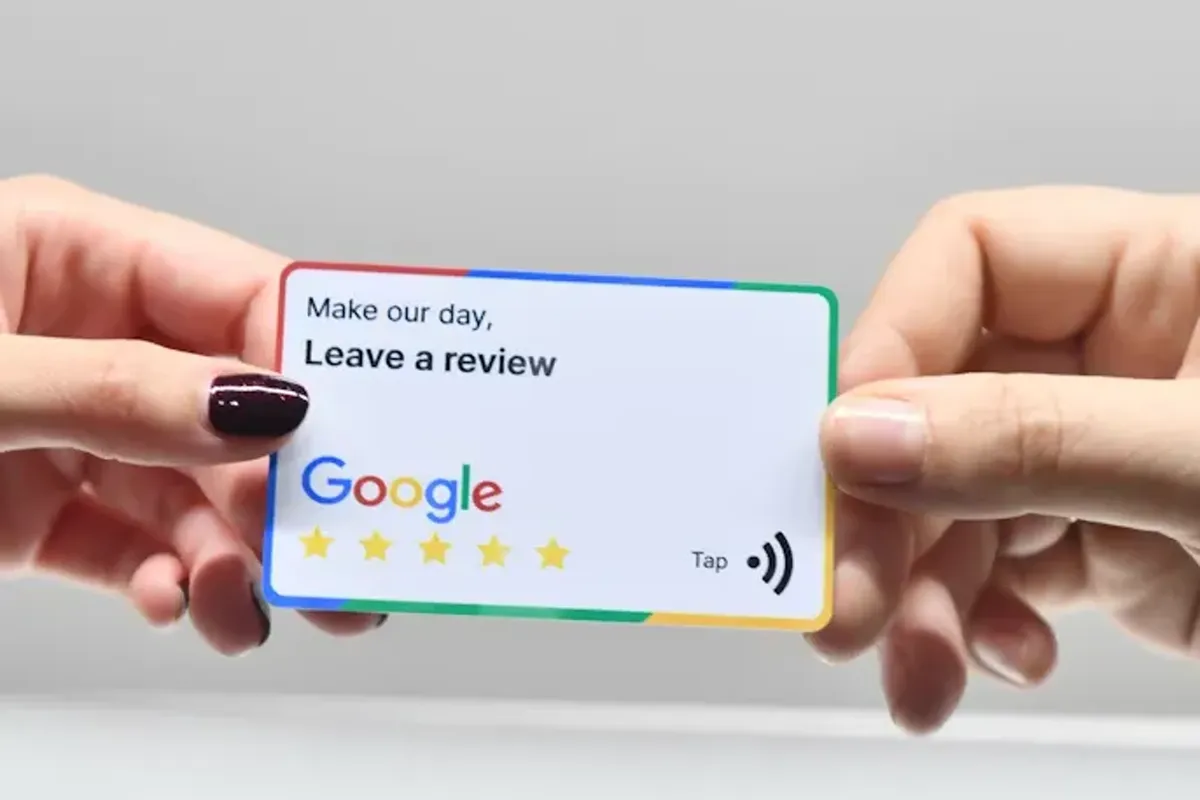
Offering a free coffee in exchange for a Google review. Giving a discount code to anyone who leaves feedback. Running a “review us for a chance to win” competition. Loads of businesses do this, or have done it recently.
It’s illegal now.
Since April 2025, the Digital Markets, Competition and Consumers Act (DMCCA) has made it a specific offence to commission, incentivise, or publish fake or misleading reviews. The Competition and Markets Authority (the CMA) is actively enforcing it. They sent 54 advisory letters to businesses in early 2026 and opened five formal investigations.
The penalties? Up to 10% of global annual turnover. For a small business turning over £200,000 a year, that’s a potential £20,000 fine. Over a free coffee.
I’ve already written about how to get more Google reviews legitimately. This post is about the other side: what you’re not allowed to do, and why the rules are tighter than most people realise.
What counts as a “fake review” under the law
The DMCCA doesn’t just cover obviously fake reviews written by bots or bought from Fiverr. The definition is broader than most business owners expect.
Commissioned reviews. Paying someone to write a review, whether it’s cash, a gift card, a discount, or a free product. Even if the review is genuine and reflects their real experience. The payment makes it a commercial relationship, and if that’s not disclosed, it’s misleading.
Incentivised reviews. Offering any reward for leaving a review. “Leave a review and get 10% off.” “Review us for a chance to win a hamper.” “Free drink with any Google review.” All of these are now banned practices under the DMCCA.
Cherry-picked reviews. This is called “review gating” and it’s been against Google’s policies for years, but it’s now also illegal. Review gating means asking customers whether they had a good experience first, and only sending the review link to the ones who say yes. You have to give all customers equal opportunity to leave a review, not just the happy ones.
Undisclosed connections. If your mate, your cousin, or your business partner leaves you a glowing review without disclosing that they know you personally, that’s a fake review. Same goes for staff leaving reviews for their own business.
Suppressed or hidden negative reviews. If you’re hosting reviews on your own website and deliberately removing negative ones without a legitimate reason (like abusive language or factual inaccuracy), that can count as presenting a misleading picture.
Fake negative reviews of competitors. Goes without saying, but yes, this is explicitly covered too.
The CMA is not messing about
The CMA has been given direct enforcement powers under the DMCCA. Previously, they had to go through the courts for most consumer protection issues. Now they can investigate and fine businesses directly.
In the first year of enforcement (April 2025 to April 2026), they sent 54 advisory letters to businesses suspected of review manipulation and opened five formal investigations. They’ve also been working with platforms like Google, Amazon, and Trustpilot to improve detection.
The advisory letters are worth understanding. They’re essentially a formal warning that says “we’ve noticed something, sort it out before we take action.” Getting one doesn’t mean you’re being fined, but it does mean you’re on their radar. And if you don’t change your practices after receiving one, the next step is an investigation with real financial consequences.
What Google says (on top of the law)
Google has its own policies on reviews that overlap with the legal requirements but go further in some areas. Violating Google’s review policies won’t get you fined by the CMA, but it can get your reviews removed or your Google Business Profile penalised, which for most local businesses is worse than a fine.
Google specifically prohibits:
- Offering money, products, or services in exchange for reviews
- Discouraging or blocking negative reviews
- Reviewing your own business or a competitor’s business
- Soliciting reviews in bulk from people who aren’t customers
- Pressuring customers to leave reviews while they’re on your premises (before they’ve had a chance to reflect on their experience)
That last one catches people out. You can ask someone to leave a review, but Google doesn’t want you standing over them while they do it. The ask should happen after the customer has left, ideally by text or email.
If Google detects fake or manipulated reviews, they’ll remove them. If they detect a pattern, they can remove all your reviews and suspend your profile. I’ve seen it happen to a couple of local businesses, and getting reinstated is a nightmare that takes months.
How to build reviews the right way
The good news is that getting genuine reviews isn’t hard. It just requires being consistent about asking. I covered this in detail in my guide to getting more Google reviews, but here’s the summary:
Ask at the right moment. After you’ve finished a job and the customer is happy. Not before, not during. A simple “If you’ve got a minute, a Google review would really help me out” is all you need.
Make it easy. Send a direct link to your Google review page. By text, ideally. People read texts. Emails get buried.
Ask everyone. Not just the customers you think will leave five stars. Giving all customers the same opportunity is a legal requirement now, not just a best practice.
Don’t follow up more than once. One reminder is fine. Two is annoying. Three is pressure.
Respond to all reviews. Good and bad. It shows potential customers that a real person runs the business, and Google uses response rate as a ranking signal.
Never offer anything in return. No discounts, no freebies, no entries into a prize draw. Just ask. Most people are happy to help if the ask is genuine and the experience was good.
What to do if you’ve been offering incentives
If you’ve been running a “review for a reward” scheme, stop. Today. Remove any signage, emails, or social media posts that mention it. If you’ve got an automated email sequence that offers a discount for reviews, switch it off.
You don’t need to go back and delete the reviews that came from incentivised asks. Google doesn’t require that, and the CMA isn’t asking businesses to retrospectively purge their reviews. But you do need to stop the practice going forward.
If you’re worried about reviews you’ve already received, the practical risk is low. The CMA is focused on ongoing practices, not historical ones. But continuing to incentivise reviews after the law changed is a different story.
The reviews you already have are probably fine
I don’t want to cause unnecessary panic here. If you’ve been asking customers for reviews in a straightforward way, without incentives, without filtering, and without paying anyone, you’re fine. That’s exactly how reviews are supposed to work.
The law is targeting businesses that buy reviews in bulk, businesses that systematically game the system, and platforms that don’t do enough to detect manipulation. A small business owner who asks happy customers to leave an honest review is doing nothing wrong.
The free coffee thing is the grey area that’s now become black and white. It felt harmless because the review was genuine. But under the DMCCA, any material incentive counts. And “material” includes things most people would consider trivial, like a £3 coffee or a 5% discount code.
What I’d recommend
Keep asking for reviews. It’s one of the most valuable things you can do for your local search visibility. But keep it clean.
Ask genuinely. Ask consistently. Make it easy. And don’t attach any strings to it.
If you want to thank customers who leave reviews, a personal reply to their review is the right move. “Thanks Sarah, really glad the garden turned out well” costs nothing and means more than a discount code anyway.
Want more reviews but not sure how to ask without it feeling awkward? Have a read of my full guide to getting Google reviews, or get in touch if you want a hand with your Google Business Profile setup.
7 min read

Oscar Beamish
Freelance Web Developer, Bristol
I build custom websites and HTML5 banner campaigns for clients across the UK. 10+ years of experience, clients include Sony, Activision, and Riff Raff Entertainment (Jude Law). More about me →